



Shop for Children
 Women's Congressional Policy Institute: Ensuring Equity for Women Veterans at the VA, Missing Children’s Assistance Reauthorization Act of 2023
Child Protection: The House is scheduled to consider S. 2051, the Missing Children’s Assistance Reauthorization Act of 2023; Hearing: “The Role of Child Care Small Businesses in Supporting Parents and the American Workforce;” On Wednesday, the Senate Committee on Veterans’ Affairs will hold a hearing, “Caring for All Who Have Borne the Battle: Ensuring Equity for Women Veterans at the VA. Child Protection: The House is scheduled to consider S. 2051, the Missing Children’s Assistance Reauthorization Act of 2023, with an amendment to broaden the definition of child sexual abuse material, expand the AMBER alert system, and create additional reporting processes. Hearings: Child Care - The Senate Small Business and Entrepreneurship Committee will hold a hearing, “The Role of Child Care Small Businesses in Supporting Parents and the American Workforce.” Veterans - On Wednesday, the Senate Committee on Veterans’ Affairs will hold a hearing, “Caring for All Who Have Borne the Battle: Ensuring Equity for Women Veterans at the VA.” more »
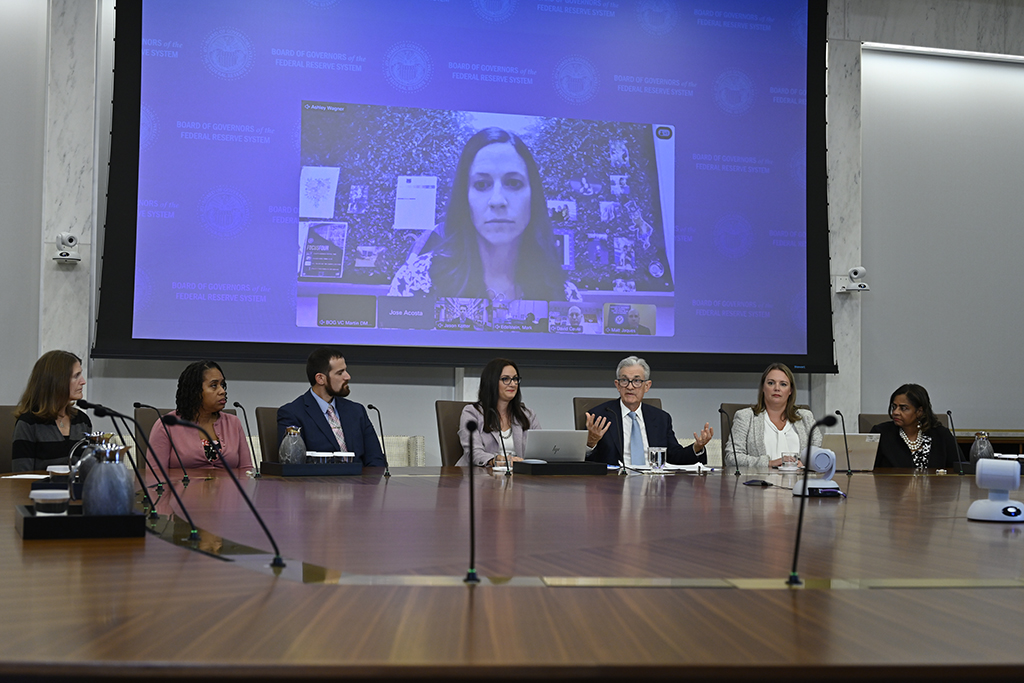 U.S. Families' Experiences of the COVID-19 Pandemic: Evidence from the Survey of Consumer Finances
"This FEDS Note summarizes high-level findings from the COVID-19 questions, showcasing differences in families' experiences of the first years of the pandemic across income and education groups and connecting these differences to income and net worth measured in the SCF. In particular, lower-income families and families with lower levels of educational attainment were more likely to experience a reduction in work, which could reflect their lower incidence of telework and higher incidence of a severe COVID-19 infection. These differential employment experiences appear to map well to between-survey income growth across the income distribution, especially after accounting for unemployment benefits, which were temporarily expanded over this period." more »
 23rd Annual Library of Congress National Book Festival, Saturday August 12; Get to Know the Authors and Their Books
Great Reads from Great Places: A great way to interact and stay connected to the Library and the Festival is to download the Great Reads from Great Places brochure. The brochure contains a reading list of books and authors for each state across the nation and a map that allows you to mark and keep track of your reading. Local libraries and other organizations will be hosting livestream watch parties and live events across the country. Locate an event near you by visiting the Festival Near You page. Contact the organizations directly or visit their sites for more information. more »
 National Institutes of Health: Common Misconceptions About Vitamins and Minerals
"In most cases, whether you need a vitamin or mineral supplement depends on how much you get from the foods and beverages you consume each day. For example, the RDA for calcium is 1,000 milligrams per day for many adults. If you get that much from foods and beverages, you shouldn’t need a calcium supplement unless your health care provider recommends it. There are some exceptions for certain vitamins and minerals. For example, if you could become pregnant, you should get 400 micrograms a day of folic acid from dietary supplements and/or fortified foods in addition to what you get naturally from foods. This helps reduce the risk of serious birth defects, called neural tube defects." more »


